

The global education system is experiencing a profound transformation driven by technological innovation. Remote learning, once considered a temporary solution, has evolved into a permanent and powerful force reshaping student experiences worldwide. As digital education tools continue to improve, students now enjoy unprecedented flexibility, accessibility, and personalization in their learning journeys.
In this article, we explore how the remote learning revolution is transforming student life, academic outcomes, and the future of education.
The Shift Toward Flexible Learning Environments
Remote learning has redefined the traditional concept of classrooms. Students are no longer limited by geographical boundaries or fixed schedules. With access to digital platforms, virtual classrooms, and on-demand resources, education has become more adaptable than ever before.
This flexibility allows learners to balance academic responsibilities with personal development, internships, and part-time work. For many students, remote learning provides opportunities that traditional systems could not offer.
Educational institutions are increasingly adopting hybrid models that combine online and in-person instruction, creating a more inclusive and dynamic academic environment.
SEO Keywords: remote learning benefits, flexible education models, digital classrooms
Personalized Learning Through Technology
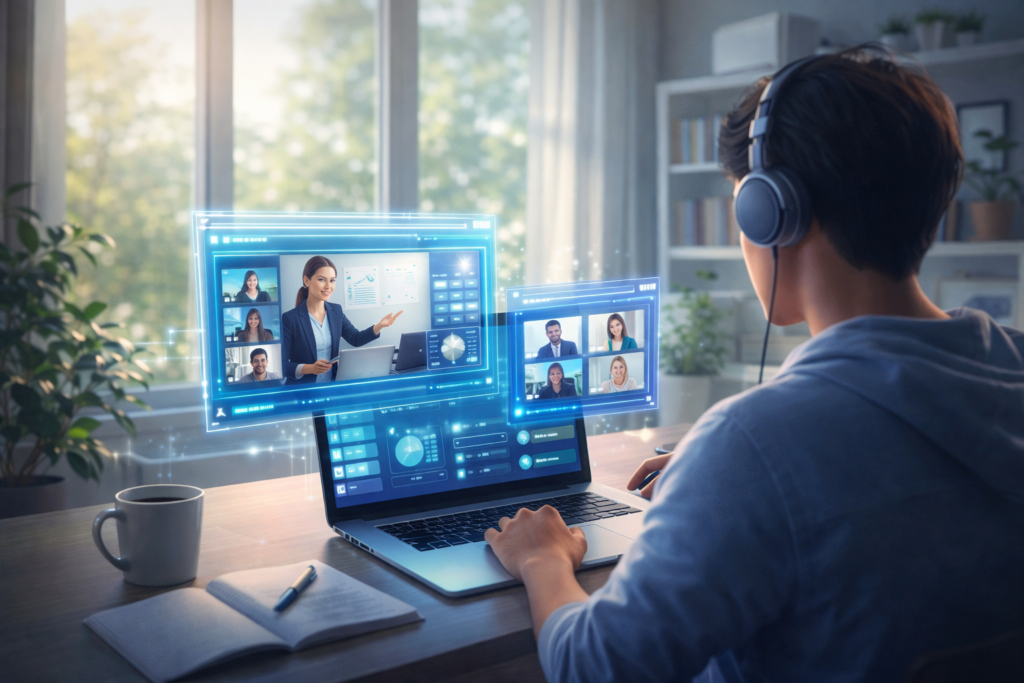
One of the most significant advantages of digital education is personalization. Artificial intelligence and adaptive learning platforms tailor educational content to individual student needs.
Students can progress at their own pace, revisit challenging topics, and access customized study plans. This data-driven approach enhances engagement and improves academic performance.
Personalized learning also empowers educators to monitor student progress more effectively, enabling targeted support and intervention.
SEO Keywords: personalized learning technology, AI in education, adaptive learning systems
Social and Psychological Impact on Students
While remote learning offers convenience, it also introduces new social and psychological dynamics. Students may experience reduced face-to-face interaction, which can impact collaboration skills and emotional well-being.
Educational institutions are addressing these challenges by incorporating virtual collaboration tools, online communities, and mental health support initiatives.
The evolving digital learning environment requires students to develop self-discipline, time management skills, and digital communication abilities.
SEO Keywords: remote learning challenges, student mental health online, virtual collaboration skills
Expanding Access to Global Education
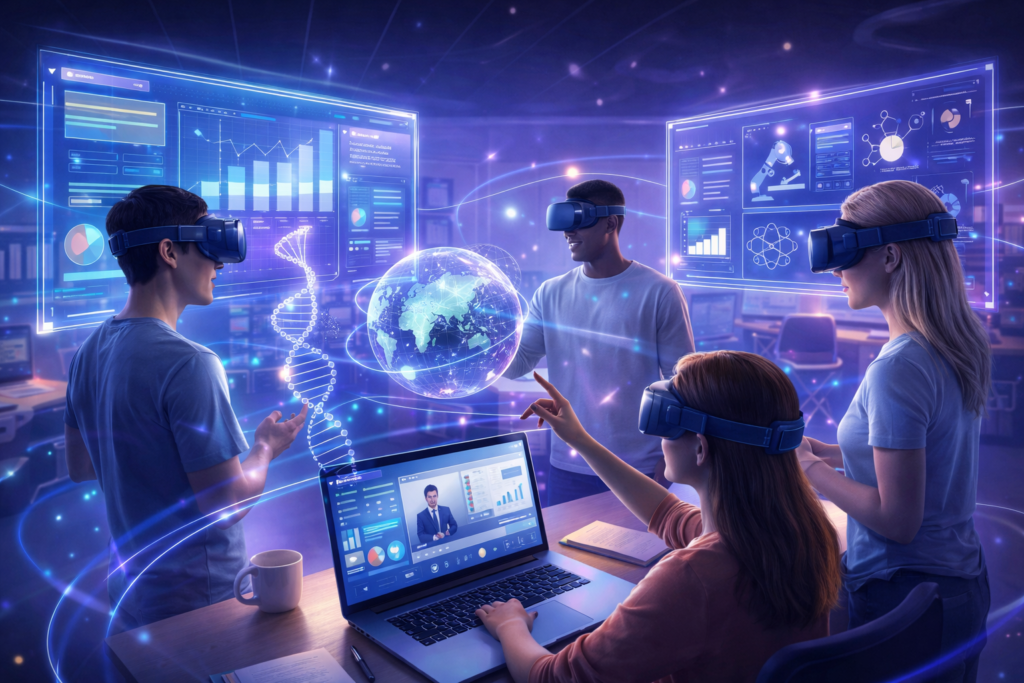
Digital education has significantly improved access to quality learning resources worldwide. Students from remote or underserved regions can now participate in global academic programs and online courses offered by leading institutions.
This democratization of education fosters cultural exchange, knowledge sharing, and global collaboration. As internet connectivity improves, remote learning will continue to bridge educational gaps and promote inclusivity.
SEO Keywords: global online education, digital learning accessibility, remote education growth
Skill Development for the Digital Age
Remote learning equips students with essential skills required in the modern workforce. Digital literacy, virtual communication, and independent problem-solving are becoming integral components of academic curricula.
Employers increasingly value candidates who demonstrate adaptability and technological competence. By engaging in digital education, students prepare themselves for evolving career landscapes shaped by automation and innovation.
SEO Keywords: digital skills for students, future workforce education, online learning competencies
The Future of Student Life in a Digital World
The remote learning revolution is not just about technology — it represents a fundamental shift in how students perceive education. Future academic environments will likely integrate immersive technologies such as virtual reality, augmented reality, and AI-driven tutoring systems.
As digital education ecosystems expand, students will experience more interactive, engaging, and personalized learning journeys. This transformation will redefine academic success and lifelong learning.
Conclusion
Remote learning is reshaping student life in profound ways. From flexible learning environments and personalized education to global accessibility and skill development, digital education is transforming how knowledge is acquired and applied.
As institutions continue to innovate and adapt, the remote learning revolution will play a crucial role in shaping the future of education and the next generation of global professionals.