
Massive Industry Restructuring Due to AI
The world of work is changing faster than most people expected. Entire industries are quietly reshaping themselves around artificial intelligence, automation systems, and data-driven decision-making. While headlines often focus on layoffs or economic disruption, the deeper story is about lifestyle transformation — how people rethink ambition, productivity, and even the luxury travel lifestyle they aspire to.
In the past, career stability was often linked to long-term roles in established sectors. Today, stability comes from adaptability. The professionals thriving in this AI-driven shift are not just upgrading their technical skills; they are redesigning how they live, travel, and define success.
This restructuring is less about losing opportunities and more about redefining what meaningful work looks like in a hyper-digital economy.
Understanding the New Lifestyle Economy
Artificial intelligence is not simply replacing jobs. It is compressing traditional career timelines and expanding personal freedom in unexpected ways. Professionals are finding that productivity gains from automation allow them to work smarter, not longer.
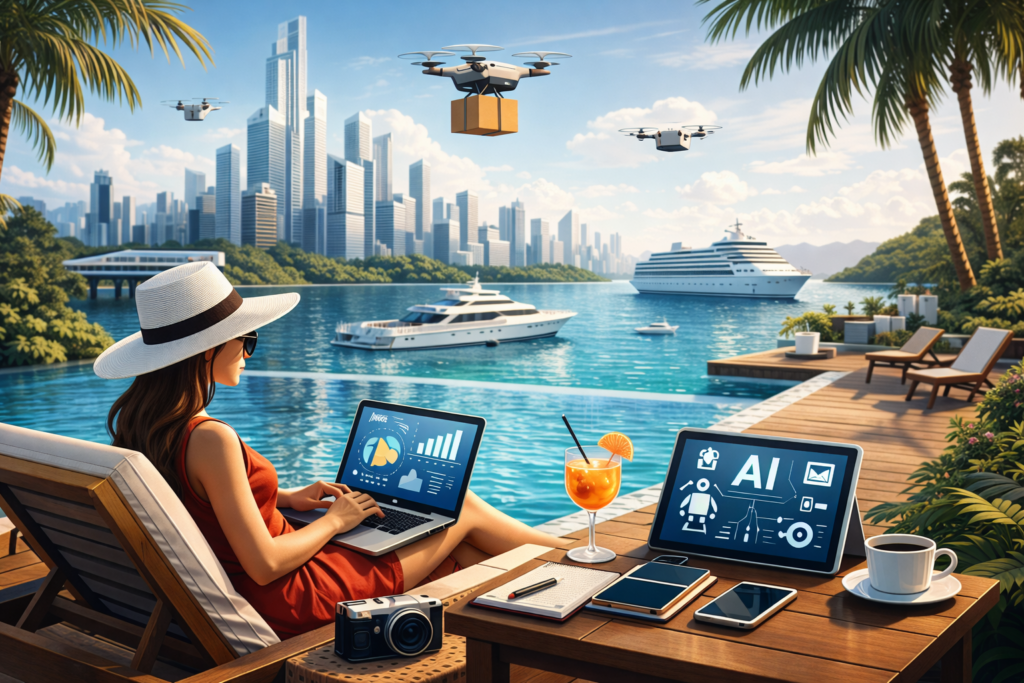
This shift is giving rise to a lifestyle that blends ambition with experience — where remote flexibility supports premium travel experiences, and professional growth aligns with personal fulfillment.
The modern luxury travel lifestyle is no longer reserved for entrepreneurs or celebrities. Increasingly, it is being shaped by:
Flexible digital careers
Location-independent income streams
AI-assisted productivity tools
Global work ecosystems
Experience-driven life priorities
Many professionals now measure success not by job titles alone but by the quality of their time and the richness of their experiences.
How AI Restructuring Changes Personal Habits
Industry restructuring has subtle psychological effects. When automation removes routine tasks, it forces individuals to confront deeper questions: What skills truly matter? What kind of life feels meaningful?
Growth-oriented individuals are responding by adjusting daily habits and long-term priorities.
Shifts in Work Behavior
Learning becomes continuous rather than occasional
Deep work replaces busy work
Career paths become nonlinear
Personal branding gains importance
Shifts in Lifestyle Thinking
Experiences gain value over possessions
Strategic travel replaces impulsive vacations
Financial planning becomes more flexible
Global networking becomes essential
This evolution explains why luxury travel trends now intersect with career strategy. A professional retreat in Lisbon or a wellness-focused stay in Bali can serve both lifestyle and productivity goals.
Practical Examples of the AI Lifestyle Shift
Consider a product designer who once worked rigid office hours. With AI automating repetitive tasks, their workload shifts toward creative decision-making. Suddenly, remote collaboration tools make it possible to spend a month working from a coastal European city.
Or a marketing strategist who uses AI analytics platforms to manage campaigns efficiently. Instead of late nights in the office, they design schedules that accommodate luxury travel experiences without sacrificing performance.
These scenarios are becoming increasingly common. They highlight how automation is not just changing work — it is redefining lifestyle expectations.
In many ways, AI is enabling professionals to design lives that balance ambition with intentional living.
Common Mistakes During Industry Transformation
Not everyone navigates this shift successfully. Some professionals misinterpret restructuring trends and make reactive decisions rather than strategic ones.
Frequent Pitfalls
Overemphasizing technical skills while neglecting soft skills
Viewing AI solely as a threat rather than a tool
Maintaining outdated work habits in flexible environments
Pursuing luxury travel aesthetics without financial strategy
Ignoring mental health during career transitions
The difference between thriving and struggling often comes down to mindset. Those who approach automation as an opportunity tend to build more resilient careers and sustainable lifestyles.
Integrating Growth Mindset with Lifestyle Design
AI-driven restructuring rewards individuals who think holistically about success. This means integrating career planning, financial discipline, and lifestyle choices into a cohesive strategy.
Practical steps include:
Allocating time for strategic skill development
Building diversified income streams
Planning travel around productivity cycles
Prioritizing health and cognitive performance
Investing in meaningful global experiences
The emerging generation of professionals understands that a luxury travel lifestyle is not about constant movement but about intentional living. It is about choosing environments that support creativity, focus, and long-term well-being.
A Thoughtful Perspective on the Future
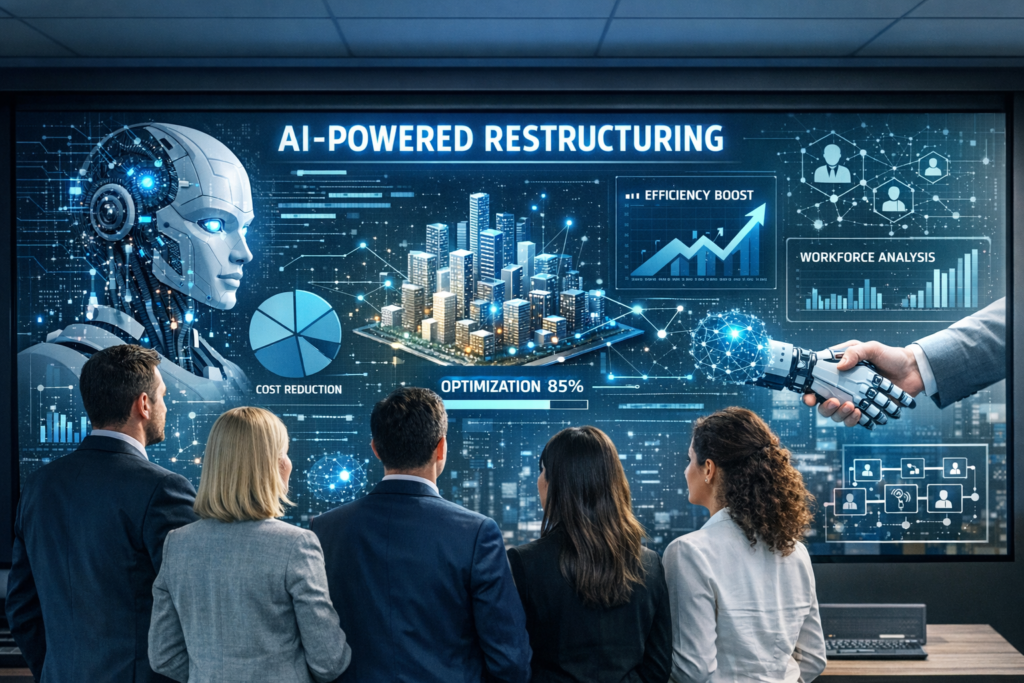
Industry restructuring driven by AI will continue to reshape global economies. Some sectors will contract, others will expand, and entirely new professions will emerge. Amid this uncertainty, one constant remains: individuals who adapt thoughtfully tend to create more fulfilling lives.
Rather than resisting change, modern professionals are learning to align their ambitions with evolving technological realities. They are crafting careers that support both growth and freedom — a balance that was difficult to achieve in previous industrial eras.
The future will likely belong to those who treat automation not as a disruption but as a catalyst for redesigning how they live, work, and experience the world.
FAQ
