

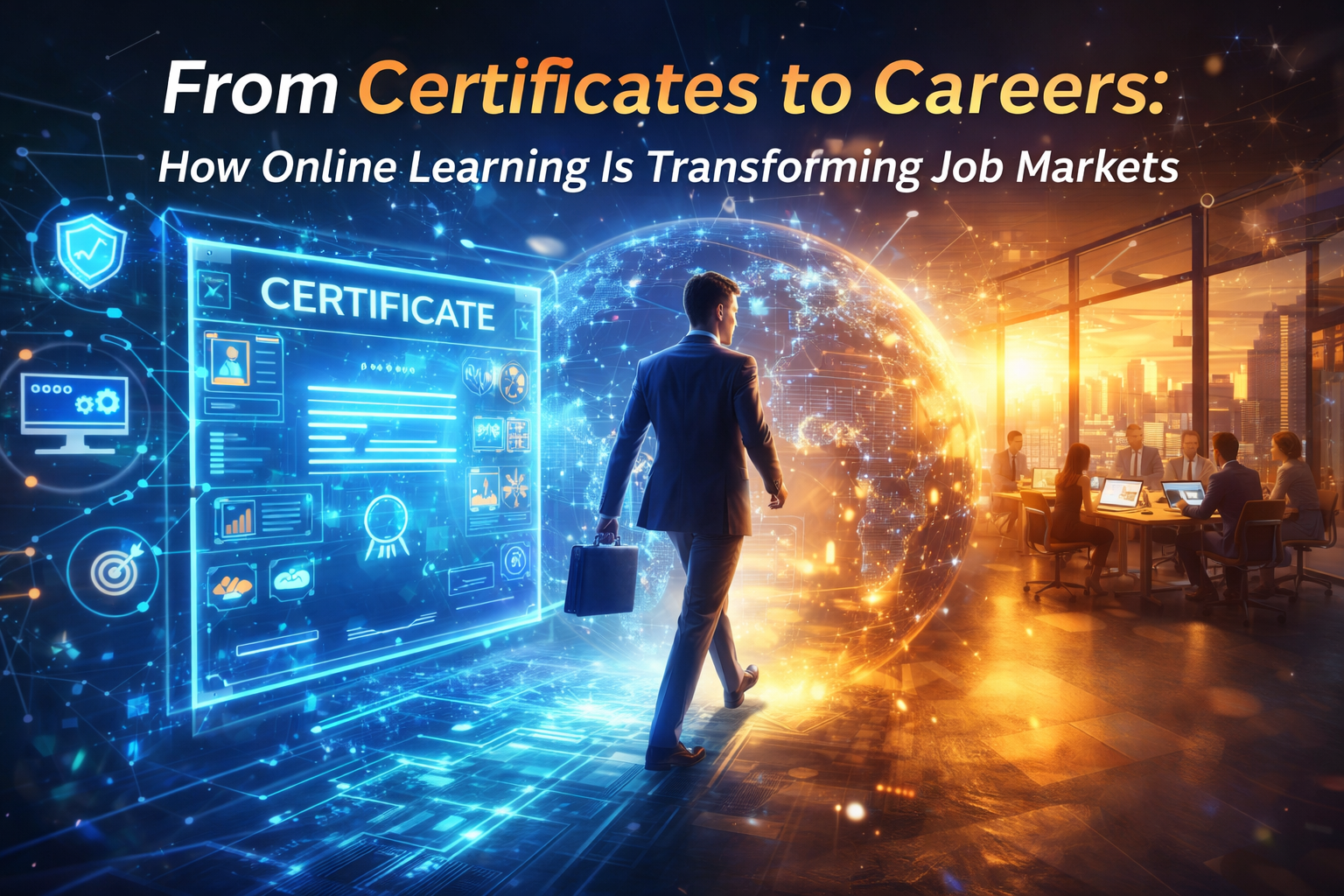
The modern job market is evolving at an unprecedented pace, driven by digital transformation, automation, and the growing demand for specialized skills. In this rapidly changing landscape, online learning is playing a critical role in bridging the gap between education and employment.
From short-term certifications to industry-recognized credentials, digital education platforms are reshaping how individuals prepare for careers. This shift is redefining hiring practices, skill development strategies, and workforce dynamics worldwide.
In 2026, online learning is no longer just an alternative educational pathway — it has become a powerful driver of career transformation.
The Rise of Skills-Based Hiring in the Digital Economy
Traditional hiring models often prioritized degrees over practical skills. However, organizations are increasingly focusing on competency-based recruitment, valuing real-world expertise and specialized certifications.
Online learning platforms provide flexible access to in-demand skills such as data analytics, cybersecurity, digital marketing, and artificial intelligence. This shift enables learners to align education directly with job market requirements.
As a result, employers are recognizing online certifications as credible indicators of professional capability.
How Online Certifications Are Changing Career Paths
Digital credentials allow individuals to upskill or reskill quickly without committing to long-term academic programs. This flexibility is particularly beneficial for working professionals seeking career transitions.
Key advantages include:
- Faster skill acquisition aligned with industry needs
- Affordable alternatives to traditional education
- Global recognition of digital certifications
- Increased employability through practical learning
Online learning is empowering individuals to take control of their career development and adapt to technological disruptions.

The Impact of Online Learning on Global Job Markets
The accessibility of online education is reducing geographical barriers to employment. Individuals can acquire high-demand skills from anywhere, enabling participation in the global digital workforce.
Remote work opportunities, freelance platforms, and digital entrepreneurship have further expanded career possibilities. Online learning serves as a catalyst for workforce globalization and economic inclusion.
Industry Collaboration and Practical Skill Development
Many online learning platforms collaborate with industry leaders to design job-focused curricula. These partnerships ensure that course content reflects real-world business challenges and technological advancements.
Hands-on projects, simulations, and internships integrated into digital programs provide learners with practical experience that enhances job readiness.
This approach narrows the gap between academic knowledge and workplace expectations.
Challenges and Limitations of Online Career Education
Despite its advantages, online learning faces challenges that impact career outcomes.
- Lack of standardized accreditation across platforms
- Variations in course quality and relevance
- Limited networking opportunities compared to traditional institutions
- Self-discipline requirements for successful course completion
Addressing these challenges requires continuous innovation in digital education delivery and quality assurance.
The Role of Technology in Workforce Transformation
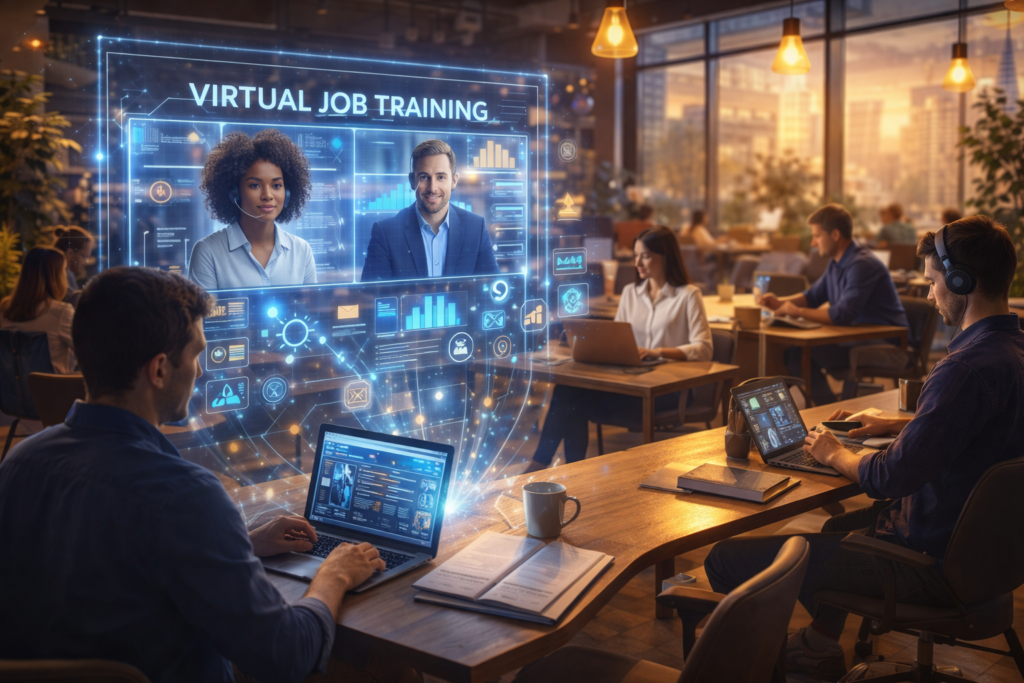
Technological advancements are accelerating the integration of online learning into career development. Key innovations include:
- AI-powered personalized career guidance
- Virtual reality job simulations
- Blockchain-based digital credential verification
- Data-driven skill demand analysis
- Adaptive learning platforms for continuous upskilling
These technologies are creating a more dynamic and responsive workforce ecosystem.
The Future of Careers in an Online Learning Era
In the coming years, the traditional concept of education as a one-time phase will continue to evolve. Instead, lifelong learning will become essential for career sustainability.
Online learning platforms will increasingly serve as continuous professional development hubs, enabling workers to adapt to new roles and emerging industries.
Employers will also play a greater role in supporting employee upskilling initiatives, integrating digital learning into corporate training strategies.
Final Thoughts
Online learning is transforming job markets by making skill development more accessible, flexible, and aligned with industry needs. From certificates to careers, digital education is reshaping how individuals prepare for professional success.
While traditional education remains valuable, the integration of online learning into career pathways is redefining workforce dynamics.
As digital transformation continues, individuals who embrace continuous learning will be better positioned to thrive in the future of work.
The evolution from certificates to careers represents a fundamental shift in how education and employment intersect in the modern economy.