

Online banking has revolutionized how people manage money. With just a smartphone or laptop, users can transfer funds, pay bills, monitor investments, and manage savings accounts in seconds. However, while digital banking offers convenience and speed, many users overlook the hidden costs of online banking that can silently impact their financial health.
Understanding these hidden expenses is essential for better money management, improved financial planning, and long-term wealth protection. This guide explores the most overlooked online banking costs and provides actionable strategies to avoid them.
Why Online Banking Isn’t Always “Free”
Most digital banking platforms promote low-fee or zero-fee services. While this may be true for basic transactions, additional costs often arise through transaction charges, subscription features, currency conversion fees, and security risks.
Many users underestimate these hidden costs because they are small individually — but over time, they can significantly reduce savings and investment returns.
1. Transaction and Processing Fees
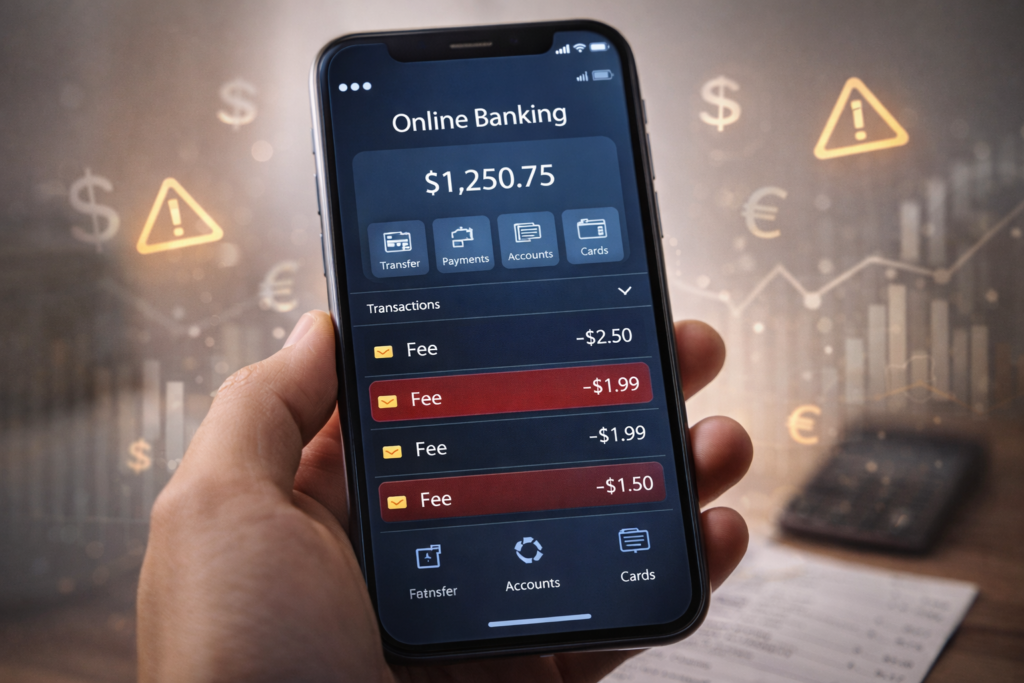
Even digital banks charge fees for certain services such as instant transfers, international transactions, or ATM withdrawals outside their network. These micro-charges may seem insignificant but can accumulate quickly.
To minimize costs, always review fee structures and choose banking plans aligned with your usage patterns.
2. Currency Conversion and International Charges
Frequent online shoppers and remote workers often pay hidden currency conversion fees when transacting in foreign currencies. Banks and payment platforms apply exchange markups that reduce the real value of money.
Using multi-currency accounts or fintech alternatives can help reduce these expenses.
3. Premium Feature Subscriptions
Many online banks offer premium features such as advanced analytics, budgeting tools, insurance coverage, or priority customer support. While optional, users often subscribe without evaluating long-term value.
Always compare benefits with actual financial needs before committing to paid banking plans.
4. Hidden ATM and Withdrawal Costs
Using ATMs outside the bank’s network can lead to additional withdrawal charges. Some banks also impose limits on free withdrawals, after which users incur extra fees.
Planning withdrawals and choosing partner ATMs can reduce these unnecessary costs.
5. Overdraft and Late Payment Penalties
Online banking’s convenience can sometimes encourage overspending. Overdraft fees, late bill payments, or missed credit card dues can result in significant penalties.
Setting up automated alerts and payment reminders can help avoid such financial setbacks.
6. Security Risks and Fraud Losses
Cybersecurity threats such as phishing, malware, and identity theft pose financial risks for online banking users. Recovering lost funds or repairing credit damage can be expensive and time-consuming.
Investing in digital security practices and enabling multi-factor authentication can prevent costly fraud incidents.
7. Data Monetization and Privacy Trade-Offs
Some digital financial platforms monetize user data to improve targeted advertising or offer third-party financial services. While not always a direct cost, this data exchange may lead to indirect financial consequences through targeted spending behavior.
Understanding privacy policies is crucial when choosing online banking providers.
8. Interest Rate Discrepancies
Online savings accounts may advertise competitive interest rates, but hidden conditions such as minimum balances or promotional periods can reduce actual returns.
Always read the terms carefully and compare real annual percentage yields (APY).
9. Convenience-Driven Spending Behavior
Easy access to funds through mobile banking can lead to impulsive purchases. Behavioral finance research suggests that digital payment convenience reduces spending awareness, increasing overall financial outflow.
Tracking expenses and setting financial goals can help maintain spending discipline.
10. Long-Term Financial Opportunity Costs
Hidden banking costs may not be visible immediately, but they affect long-term financial growth. Frequent small fees, reduced interest earnings, and impulsive spending can collectively impact wealth accumulation.
Strategic financial planning and cost awareness are key to maximizing digital banking benefits.
How to Avoid Hidden Online Banking Costs
To protect your financial future, consider adopting these best practices:
- Compare fee structures before opening digital accounts
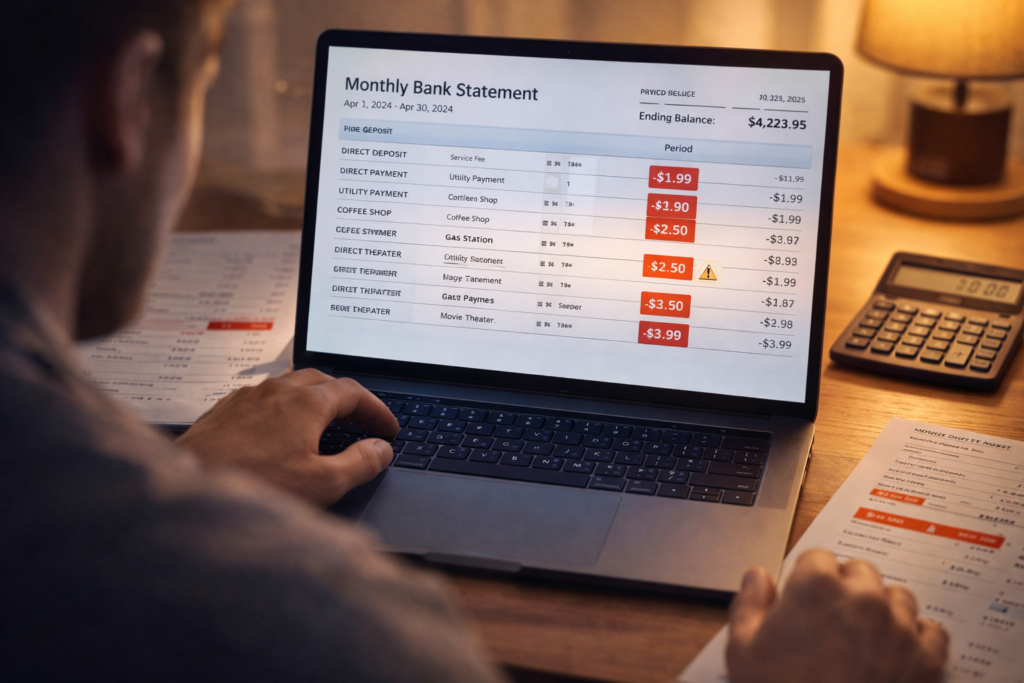
- Monitor monthly statements regularly
- Use secure banking apps and authentication methods
- Avoid unnecessary premium subscriptions
- Plan withdrawals and transfers strategically
- Maintain financial discipline and spending awareness
By staying informed, users can enjoy the convenience of online banking without sacrificing financial stability.
Final Thoughts
Online banking is an essential part of modern financial life, but its hidden costs should not be ignored. While digital platforms simplify money management, they also introduce subtle financial risks that can accumulate over time.
Being proactive about understanding online banking fees, security threats, and behavioral spending patterns can help users build stronger financial habits.
Financial literacy remains the most powerful tool for navigating the evolving digital banking landscape. By making informed decisions, you can maximize benefits while minimizing hidden costs.